Column · @collinvyss272
10 Creative Hot Dog Recipes to Try at Home

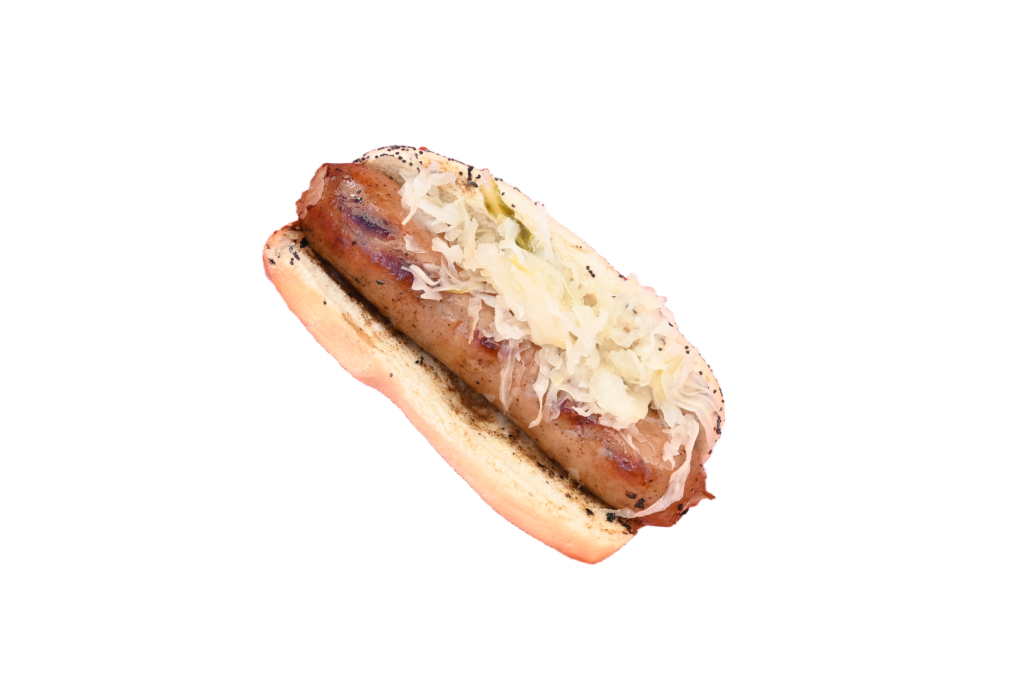

A good hot dog sits in an interesting place in home cooking. It can be inexpensive and nostalgic, but it can also be smart, layered, and genuinely satisfying when you treat it with the same care you would give a burger or sandwich. The difference usually comes down to contrast. You want snap against softness, richness against acid, and a topping that tastes intentional instead of piled on as an afterthought.
Over the years, I have found that the best homemade hot dog recipes are not the ones with the most ingredients. They are the ones that solve a simple question well. Do you want something smoky? Bright? Spicy? Creamy? Crunchy? Once you answer that, the rest falls into place. The bun matters. The way you heat the sausage matters. Even something as small as drying slaw before piling it on can be the difference between a crisp, balanced bite and a soggy disappointment.
What follows are ten creative versions worth making at home. Some lean classic, some pull from familiar regional flavors, and some borrow ideas from other dishes that happen to work beautifully in a bun. None require restaurant equipment or hard-to-find ingredients. They just ask for a bit of judgment and a willingness to build flavor in layers.
Before you start, a few decisions matter
A hot dog recipe begins before the toppings. If you start with a weak foundation, no amount of sauce will rescue it. I prefer all-beef hot dogs when the toppings are assertive, especially with kimchi, chili, or sharp pickles. Pork or mixed-meat dogs tend to work nicely when the garnishes are milder and creamier. As for cooking method, grilling gives the deepest flavor, pan-searing offers the best control, and simmering is useful when you are feeding a crowd and need consistency.
The bun deserves equal attention. A steamed bun has tenderness and old-school charm, but a butter-toasted bun gives structure and a little nutty flavor that can stand up to juicy toppings. If you are making any variation with slaw, sauerkraut, salsa, or beans, toast the bun. You need that barrier.
The other small habit that changes everything is restraint. It is tempting to keep adding condiments because a hot dog feels casual. In practice, three or four well-chosen elements usually outperform seven random ones. If one topping is rich, bring in something acidic. If one is spicy, consider a cooling component. If everything is soft, add crunch.
1. Charred pineapple jalapeño hot dog
This is one of the easiest ways to make a backyard hot dog taste more considered. The sweetness of pineapple, especially when lightly charred, plays well with the salt and smoke of the sausage. Jalapeño brings fresh heat rather than the blunt force of a bottled hot sauce, and a little lime cuts through everything.
Grill or pan-sear your hot dog until the casing blisters in spots. On the side, cook pineapple rings or spears until the edges caramelize. Chop the pineapple into small pieces and toss with finely sliced jalapeño, lime juice, a pinch of salt, and a few cilantro leaves if you like them. Spoon that mixture over the dog in a toasted bun, then add a thin swipe of mayo or crema underneath if you want a richer finish.
The trick here is balance. Too much pineapple and the whole thing tips into sweetness. Too much jalapeño and you lose the fruit. A ratio of roughly three parts pineapple to one part pepper usually https://rentry.co/o6zq7oyc works well. If you have ever had a hot dog that tasted flat despite plenty of toppings, this combination explains why acid matters.
2. French onion hot dog with gruyère
This one feels slightly indulgent in the best possible way. It borrows from French onion soup, but keeps the spirit of a hot dog intact. The onions need patience. Rush them and they turn soft without becoming sweet and deep.
Slice two large onions and cook them slowly in butter or oil with a pinch of salt for 30 to 40 minutes, stirring often. When they turn a deep golden brown, deglaze the pan with a splash of stock or even water to pull up the fond. Pile the onions over a seared hot dog, top with shredded gruyère or Swiss, and let the residual heat soften the cheese. If your buns are sturdy, you can run the assembled dogs under the broiler for a minute, but watch closely.
This recipe works because it turns the hot dog into the salty counterpoint instead of the sole source of flavor. The onions bring sweetness, the cheese brings nuttiness, and the sausage keeps everything anchored. It is rich, certainly, so this is a case where a little Dijon on the bun helps. That sharpness keeps the second half as enjoyable as the first.
3. Chicago-inspired pickle relish dog
A true Chicago hot dog comes with firm rules and strong opinions, and deservedly so. At home, I prefer a respectful nod rather than an anxious attempt at full authenticity, especially if I do not have every traditional component on hand. The heart of the style is the bright, punchy combination of mustard, pickle, relish, onion, tomato, and sport-pepper style heat.
Use a steamed or lightly warmed bun if you want to echo the original feeling. Set in the hot dog, then add yellow mustard, finely chopped onion, sweet pickle relish, tomato wedges, pickle spears, and a few pickled peppers. A pinch of celery salt over the top ties it together. It sounds busy, but each element has a job. Tomato cools and freshens. Pickle sharpens. Relish adds sweet notes. Onion gives bite.
The mistake many home cooks make is using too much of every topping. That creates a slippery stack that falls apart before the second bite. Keep the quantities modest and distribute them along the length of the dog instead of mounding them in the center. You want a little of everything in each bite, not a full tomato wedge on one end and dry bun on the other.
4. Kimchi sesame hot dog
If you keep kimchi in the refrigerator, this recipe is never far away. Kimchi brings funk, acid, spice, and crunch all at once, which means the rest of the build can stay simple. It is one of the most effective toppings for a rich sausage because it wakes up the whole dish immediately.
Start with a grilled or pan-seared hot dog in a toasted bun. Add a smear of mayonnaise mixed with a touch of sesame oil. Top with well-drained chopped kimchi, a sprinkle of toasted sesame seeds, and sliced scallions. If you want more heat, a little gochujang whisked into the mayo works well, but use a light hand. Too much and you mask the kimchi rather than supporting it.
One practical note matters here. Drain the kimchi before chopping it. If you spoon it straight from the jar, the juices soak the bun very quickly. I usually let it sit in a small sieve for a few minutes while the dogs cook. This is the kind of tiny step that turns a clever idea into a recipe you would actually want to repeat.
5. Bacon avocado ranch hot dog
This is comfort food, no question, but it can still be done with some discipline. Avocado and ranch are both soft, rich elements, so you need crisp bacon and perhaps a little lettuce or pickled onion to keep the texture from becoming one-note.
Cook bacon until very crisp, then drain it well. Smash ripe avocado with a squeeze of lemon or lime and a pinch of salt. Spread that on the bun first, lay in the hot dog, then top with bacon and a moderate drizzle of ranch. If you want extra freshness, tuck in a few shreds of romaine or iceberg. Their crunch does more than many people expect.
This version is especially good with a slimmer hot dog rather than a jumbo one. A larger sausage can overwhelm the avocado and make the whole thing feel heavy. A standard-size all-beef dog gives you enough meatiness without pushing the balance too far. If you serve this at a casual dinner, it lands better with a side that has acidity, like a cucumber salad or vinegar slaw, rather than fries alone.
6. Smoky baked bean and cheddar hot dog
There is a reason beans and hot dogs have lasted as a pair for generations. The combination just makes sense. To make it more interesting, focus on texture and smoke so it does not taste like a cafeteria tray.
Warm baked beans in a skillet with a spoonful of barbecue sauce, a dash of smoked paprika, and a few drops of apple cider vinegar. The vinegar is important. It keeps the sweetness in check. Spoon the beans over the hot dog, then top with sharp cheddar and, if you like, finely diced raw onion or crispy fried onions. Sharp cheddar is better than mild here because it can stand up to the sauce.
This is one of the messier options, but the payoff is worth it. Use a sturdy toasted bun and do not overfill. If the beans are very loose, simmer them a few minutes longer before assembling. A thicker spoonful sits on the dog. A watery one slides straight into your lap.
7. Elote-style hot dog with corn, cotija, and lime
Street corn has all the qualities that flatter a hot dog. Sweetness, char, creamy richness, salt, and acid. The easiest version starts with fresh or frozen corn cooked in a hot skillet until some kernels brown. Stir in a little mayo, chili powder, lime zest, and lime juice off the heat, then spoon that over your cooked dog. Finish with crumbled cotija and cilantro.
This recipe shines in summer, especially if you can grill the corn first, but it is good enough to make year-round with frozen kernels. The key is not overmixing the topping. You want the corn to stay distinct rather than turning into a paste. Cotija brings a dry, salty finish that Parmesan cannot quite replicate, though Parmesan can work in a pinch if that is what you have.
I also like this variation because it teaches a broader lesson about hot dog toppings. A topping with its own internal balance often performs better than separate condiments applied one by one. The corn mixture already knows where it is going. Once it hits the bun, your job is mostly done.
8. Buffalo blue cheese hot dog
Some combinations persist because they understand contrast perfectly, and buffalo with blue cheese is one of them. On a hot dog, it becomes punchy and rich without needing much else.
Toss a little shredded chicken in buffalo sauce if you want to make this especially hearty, but the recipe also works without it. Place the hot dog in a toasted bun, drizzle lightly with buffalo sauce, then add blue cheese crumbles and finely sliced celery. That celery is not decorative. It brings the cool crunch that keeps the whole thing from feeling like a sauce bomb. A small swipe of blue cheese dressing or ranch under the dog can help hold the crumbles in place.
The trade-off here is intensity. Blue cheese can dominate a mild sausage, so choose a hot dog with enough flavor to stand up to it. If someone at the table does not love blue cheese, feta is a softer substitute, though you lose some of that unmistakable tang. I would not add extra cheese beyond that. This is already a bold, fast-moving recipe.
9. Currywurst-inspired hot dog
This version nods to the famous German street food without pretending to replace it. A sliced sausage with curried ketchup is its own thing, but the flavor profile adapts very naturally to a hot dog in a bun.
Make a quick sauce by warming ketchup with curry powder, a little paprika, and a small splash of Worcestershire sauce. Taste it. Some curry powders are sweeter, some earthier, so adjust with a touch of vinegar if needed. Spoon the warm sauce over a grilled hot dog, then add crispy onions for texture. If you like, a few thin apple slices or shredded cabbage can add freshness, though I would choose one or the other, not both.
This is a smart recipe for cooler weather because the warm spice reads as cozy rather than fiery. It also pairs surprisingly well with oven fries. The sauce can be made ahead, which makes it useful for parties when you want one topping that feels a bit different from standard ketchup and mustard.
10. Breakfast hot dog with scrambled egg and chive butter
People tend to underestimate how well a hot dog works at brunch. The sausage already lives in the same flavor family as breakfast links, especially when paired with eggs. The challenge is avoiding a plate that feels like a novelty instead of a good meal.
Spread the bun with chive butter while it is still warm from toasting. Add the hot dog, then top with soft scrambled eggs cooked just to the point of setting. A little shredded cheddar or American cheese can melt into the eggs, and a few drops of hot sauce or maple syrup can push the flavor in either a savory or sweet-savory direction. Use one of those accents, not both, unless you know you like that diner-style contrast.
This recipe is best when the eggs stay tender. Dry curds kill it. I cook them low and slow, then stop while they still look slightly glossy. You do not need a large pile. A modest spoonful fits the bun and leaves room for the dog to remain the star. Served with fruit or hash browns, it makes a surprisingly satisfying weekend lunch.
Small upgrades that make every version better
The distance between a forgettable hot dog and a very good one is often a matter of tiny choices, not grand technique. These are the adjustments I come back to most often:
- Toast or steam the bun with intention, based on the topping. Soft toppings want a toasted bun, minimalist toppings can handle a steamed one.
- Dry wet garnishes before assembling, especially kimchi, slaw, pickles, and tomatoes.
- Season fresh toppings lightly. A pinch of salt on tomatoes, avocado, or corn makes a real difference.
- Cut large toppings smaller than you think you need. Manageable pieces distribute more evenly and stay in the bun.
- Keep one element sharp, such as mustard, pickled onion, or lime, so rich combinations do not become dull.
How to build your own variation without overcomplicating it
Once you have made a few of these, the pattern becomes clear. Most successful hot dog recipes follow a practical formula: one main flavor direction, one creamy or rich element, one crunchy element, and one acidic note. That framework lets you improvise without producing a messy, incoherent result.
Here are five flavor paths that work almost every time:
- smoky and sweet, with charred fruit, barbecue notes, and a bright acid
- rich and savory, with caramelized onions, cheese, and mustard or pickles
- spicy and funky, with kimchi, hot sauce, or chiles plus something cooling
- fresh and creamy, with avocado, herbs, and crisp vegetables
- hearty and comforting, with beans, chili, or eggs balanced by crunch or acidity
The nice thing about cooking hot dogs at home is that the stakes are low enough to experiment, but the payoff is immediate when you get the proportions right. You can test a new topping combination on a Tuesday night without committing to a whole dinner project. Some ideas will be one-time curiosities. Others will become the version your family asks for whenever people gather on the patio or around the television.
A hot dog does not need reinvention for its own sake. It just needs attention. If you cook the sausage properly, choose a bun that can do its job, and build toppings with contrast in mind, even a simple package from the grocery store can turn into something memorable. These ten recipes are a good place to start, and once you make them, you will likely start seeing your own variations everywhere, in a jar of pickles, in leftover corn, in a pan of onions you nearly did not bother to caramelize. That is usually how the best home cooking works.
Under Construction Hot Dogs
1225 W U.S. Hwy 50, Pueblo, CO 81008
FAQ About hot dog
What are different types of hotdogs?
Under Construction Hot Dogs offers a classic all-beef hot dog, a quarter-pound Jumbo Dog, a Chili Dog, and a Chicago Dog, along with brats and a Spicy Link.
What does a chili dog have on it?
Our Chili Dog pairs a Vienna all-beef hot dog with chili, shredded cheddar cheese, and finely diced onions.
What is in a traditional Chicago dog?
Our Chicago Dog comes on a steamed poppy seed bun with yellow mustard, bright green relish, onions, tomato wedges, a pickle spear, sport peppers, and celery salt.